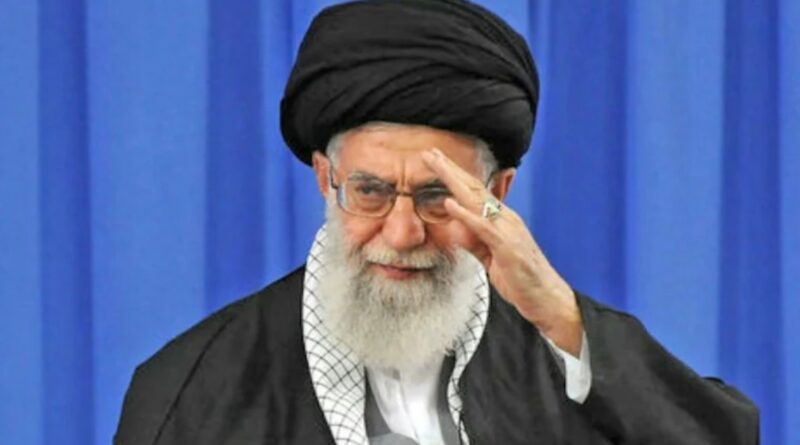
Iran’s Supreme Leader Ayatollah Khamenei Skips 37-Year Tradition Amid Escalating Tensions With US
Ayatollah Ali Khamenei missed his annual February 8 meeting with top air force commanders for the first time since 1989, breaking a long-standing ritual as tensions rise between Tehran and Washington over looming threats of US military action.
Break in Tradition Reflects Growing Regional Strain
- Khamenei has attended this annual meeting every year since succeeding Ruhollah Khomeini in 1989, including during the COVID-19 pandemic.
- This year, Chief of Staff Abdolrahim Mousavi represented Iran’s armed forces instead of the supreme leader.
- The meeting commemorates the 1979 pledge by air force officers to support the Islamic Revolution.
Analysts say the unprecedented absence signals internal calculations as Iran confronts increased US military pressure and diplomatic uncertainty.
Backdrop: Rising Tensions With the United States
Iran’s absence from the symbolic event comes amid an expanded US military presence in the Gulf and warnings of possible US action against Tehran.
- The United States has sent the USS Abraham Lincoln aircraft carrier and other naval assets to the region.
- President Donald Trump has discussed tough stances on Iran over its nuclear program and recent nationwide protests.
Iran’s leadership has repeatedly warned that any US attack could spark a wider regional war, underscoring the volatile environment.
Strategic Message and Possible Implications
Experts suggest Khamenei’s decision to skip the ritual may serve several strategic purposes:
- A signal of caution amid fears of escalation with the United States
- An attempt to focus military leadership on pressing defense priorities
- A gesture showing that longstanding traditions can be set aside for perceived national security threats
Tehran continues to insist that it does not seek conflict, though its rhetoric stresses firm retaliation if provoked.
As diplomatic and military tensions simmer, this break in a decades-old ritual is seen by observers as a rare indicator of the seriousness of Iran’s current strategic concerns.
Iran’s fragile internal and external calculations suggest the coming weeks could be pivotal, with diplomatic channels under strain and military deployments continuing to shape the Middle East’s geopolitical landscape.