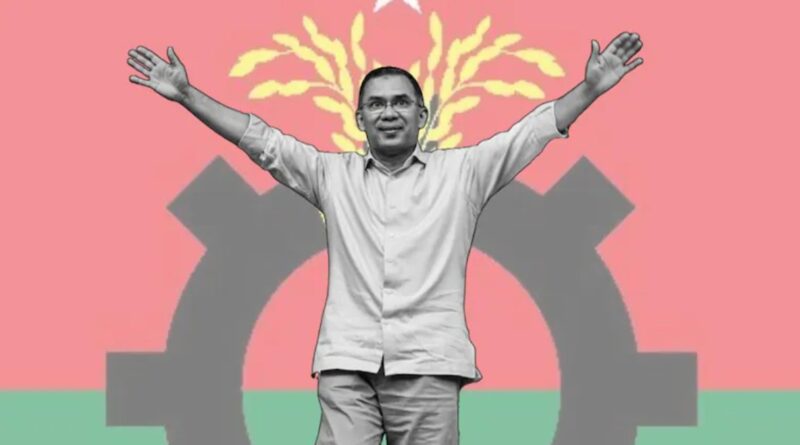
After 17 Years in Exile, Tarique Rahman Set to Become Bangladesh PM
BNP sweeps national elections; India and US congratulate incoming leadership as ties enter new phase
The Bangladesh Nationalist Party (BNP) is heading for a decisive victory in Bangladesh’s general election, paving the way for its chief Tarique Rahman to become the country’s next Prime Minister after nearly 17 years in exile in the United Kingdom.
According to unofficial results from the Election Commission and party sources, Rahman has won from Dhaka-17 and Bogura-6 constituencies. The 60-year-old leader recently returned to Bangladesh following years abroad and quickly emerged as the front-runner for the top post.
Congratulations From India And US
Indian Prime Minister Narendra Modi congratulated Rahman and the BNP for their victory, saying it reflects the people’s trust in his leadership.
He also expressed hope for stronger bilateral relations and reaffirmed India’s support for a democratic and inclusive Bangladesh.
The United States also welcomed the results and said it looks forward to working with the new government on prosperity and regional security.
Who Is Tarique Rahman?
Rahman is the son of former Bangladesh President Ziaur Rahman and former Prime Minister Khaleda Zia.
He became BNP chairman after Khaleda Zia’s death in 2025. Earlier, he had served as acting chief and was widely considered the party’s key decision-maker during the 2001-2006 BNP-led government.
Rahman was arrested in 2007 during a military-backed caretaker regime and spent 17 months in detention. He later moved to London for treatment and lived there in exile. Several convictions against him were overturned after the 2024 political upheaval that removed Sheikh Hasina from power.
Challenges Ahead — Especially India Relations
One of Rahman’s biggest diplomatic tests will be rebuilding ties with India, which had been especially close under Sheikh Hasina but deteriorated after her government’s fall.
Rahman has said he wants relations based on “mutual respect and understanding,” indicating a possible reset in regional politics.
With a sweeping mandate expected, Bangladesh now prepares for a major political transition — and South Asia watches closely as a new government takes shape.