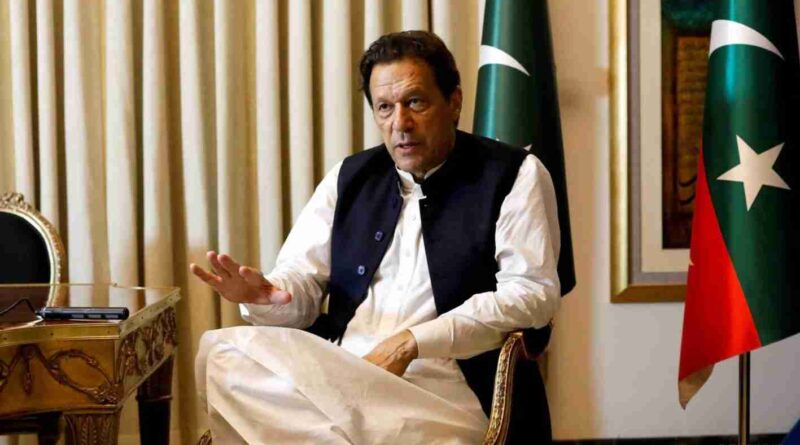
Imran Khan Reportedly Loses 85% Vision in Right Eye; Pakistan SC Orders Urgent Medical Examination
A court-appointed report reveals that jailed former Pakistan Prime Minister Imran Khan has suffered severe vision loss in his right eye, prompting the Pakistan Supreme Court to direct an urgent medical review and allow limited family contact.
A detailed report submitted to Pakistan’s Supreme Court has raised serious concerns about the health of former Prime Minister Imran Khan, who is serving prison sentences. The report says Khan has lost nearly 85 per cent of vision in his right eye and highlights alleged delayed medical care and harsh detention conditions.
Severe Vision Loss Described in Report
According to the court-appointed report:
- Khan, 73 years old, had normal vision in both eyes as late as October 2025.
- Over the past several months, he began experiencing blurred and hazy vision in his right eye and repeatedly reported the problem to prison authorities.
- A blood clot was later diagnosed by a specialist from PIMS Hospital, but delayed treatment has left him with only about 15 % vision in that eye.
Doctors associate this type of critical loss with central retinal vein occlusion, a condition involving blockage of blood flow in the retina that can lead to permanent damage if not treated promptly.
What Imran Khan’s Sons Said
Imran Khan’s sons publicly expressed deep concern over their father’s health condition.
They said:
- They are worried about the rapid deterioration of his eyesight.
- They fear that delayed medical care may have caused permanent damage.
- They want him to receive proper treatment from independent specialists.
They also appealed for humane treatment and regular medical monitoring.
Their statements added pressure on authorities and intensified debate over his prison conditions.
Supreme Court Orders Medical Review
In response to the report, the Supreme Court of Pakistan directed the formation of a medical board to urgently examine Khan’s eye condition and overall health. The court has asked for the examination to be completed before February 16, 2026.
The bench also ordered that Khan be allowed to:
- Speak by phone with his sons
- Receive access to specialised and personal doctors
- Be examined by expert ophthalmologists
These orders come amid wider concerns about his treatment in jail.
Allegations of Neglect and Conditions of Detention
The report — prepared by Supreme Court-appointed amicus curiae Salman Safdar — paints a grim picture of conditions at Adiala Jail, where Khan has been incarcerated since 2023:
- He has been held in near-solitary confinement for over two years.
- Prison authorities allegedly ignored repeated complaints about failing eyesight.
- Khan reportedly lacked access to his personal physicians and regular health monitoring.
- Family visits and legal counsel access have been limited or restricted, though recent orders have eased some restrictions.
Supporters and critics alike have described the treatment as medical neglect, while authorities have maintained that some treatment was provided following inmate reports.
Political and Human Rights Reactions
Khan’s Pakistan Tehreek-e-Insaf (PTI) party and allied opposition groups have condemned the handling of his health as “criminal negligence” and demanded unrestricted access to specialist care and his personal doctors. They argue that delayed treatment has worsened his condition and violates fundamental rights.
Human rights advocates and political observers are watching closely as the Supreme Court’s directives are implemented, with international attention on Khan’s health and legal rights.
Next Steps in Medical and Legal Process
With the Supreme Court’s order in place:
- A medical panel will examine Khan’s eyesight and general health.
- Judges will review findings and, if necessary, further directives could be issued to ensure adequate care and legal access.
- Family calls and arrangements with doctors aim to improve monitoring of his health situation.