Doctor-Linked “Poster” Cracked Open Terror Plot Behind Delhi’s Red Fort Blast
From Srinagar’s warning posters to Delhi’s car bomb — how a chilling trail uncovered a sophisticated terror network spanning two states
The Blast That Shook Delhi
A powerful car explosion near Delhi’s iconic Red Fort last week left nine people dead and several injured, sending shockwaves across the nation. The blast — initially thought to be an accident — has now been confirmed as a terror attack linked to the Jaish-e-Mohammed (JeM) group.
Investigators believe the bomb, planted in a Hyundai i20, was detonated remotely. DNA recovered from the wreckage identified Dr. Umar Mohammad, a Pulwama-based doctor, as the driver — marking a disturbing shift where educated professionals are allegedly executing high-impact terror strikes.
The Poster That Unraveled It All
The first lead in the case emerged hundreds of kilometers away — in Srinagar’s Bunpora Nowgam area. On October 19, locals spotted a series of posters written in Urdu warning:
“We have been watching you for some time. Stop what you are doing against Shariah or face severe consequences.”
The posters, later traced to Dr. Adeel Ahmad Rather, another doctor from Anantnag, were found to be linked to a Jaish-inspired sleeper cell. When security agencies tracked Dr. Rather’s digital trail, it led them to a network of professionals in Haryana and Delhi-NCR, all allegedly working under the banner of Jaish-e-Mohammed.
This discovery became the turning point in the Red Fort blast investigation.
Doctors, Professors and a Terror Module
According to NIA and Delhi Police sources, the module operated through white-collar fronts, including doctors, medical students, and local business owners.
- The group reportedly stored nearly 3,000 kg of explosive material, including RDX and ammonium nitrate, in Faridabad.
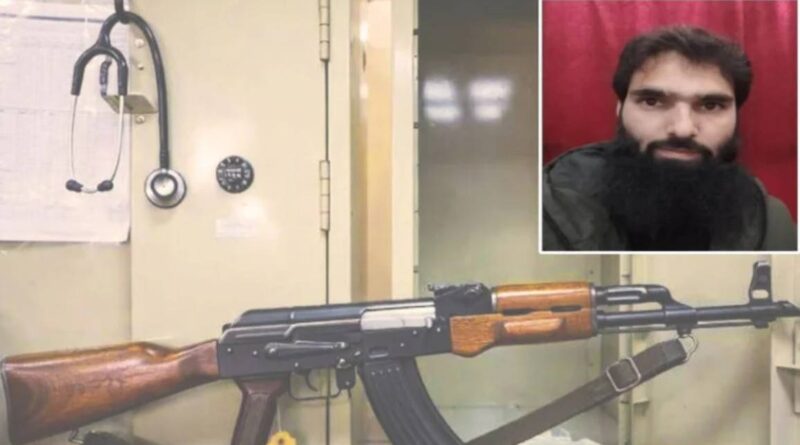
- Investigators also seized an AK-47 rifle, multiple detonators, and chemicals used in the blast.
- Many operatives were connected to Al-Falah University, where Dr. Umar allegedly taught anatomy before going underground.
Officials say the module’s plan was multi-phased, intended to coincide with December 6, the anniversary of the Babri Masjid demolition. The Red Fort explosion was meant to be the first in a chain of coordinated blasts across Delhi and NCR.
Inside the Investigation
The National Investigation Agency (NIA) has now taken over the probe.
Forensic teams found traces of high-grade explosives identical to those used in Pulwama (2019), strengthening suspicions of a Jaish-e-Mohammed link.
Key developments so far:
- Raids in Jammu & Kashmir, Faridabad, and Saharanpur have unearthed extensive digital evidence.
- Six suspects have been detained, including two doctors and one university lecturer.
- Investigators are examining whether the group received funds or directives from across the border.
Background of the Case
The Red Fort, a UNESCO World Heritage site and symbol of India’s sovereignty, has been a terror target before. In December 2000, a Lashkar-e-Taiba attack killed three soldiers.
This latest blast — 25 years later — has reignited fears of a renewed militant push targeting national monuments. Authorities say this is the first major urban terror attack in Delhi in over a decade, and its masterminds’ professional backgrounds have stunned security circles.
Officials Speak
A senior Delhi Police officer told NDTV,
“We are dealing with a new kind of threat — individuals with education, influence and resources. The use of professionals in terror operations is a grave challenge for national security.”
The NIA has urged public vigilance and asked for information related to any recently abandoned vehicles or suspicious medical professionals in northern India.
What Lies Ahead
- NIA is coordinating with Interpol and Bangladesh intelligence agencies to track possible foreign handlers.
- The government is likely to revise monitoring protocols for universities and professional institutes.
- Further arrests are expected as digital mapping continues.